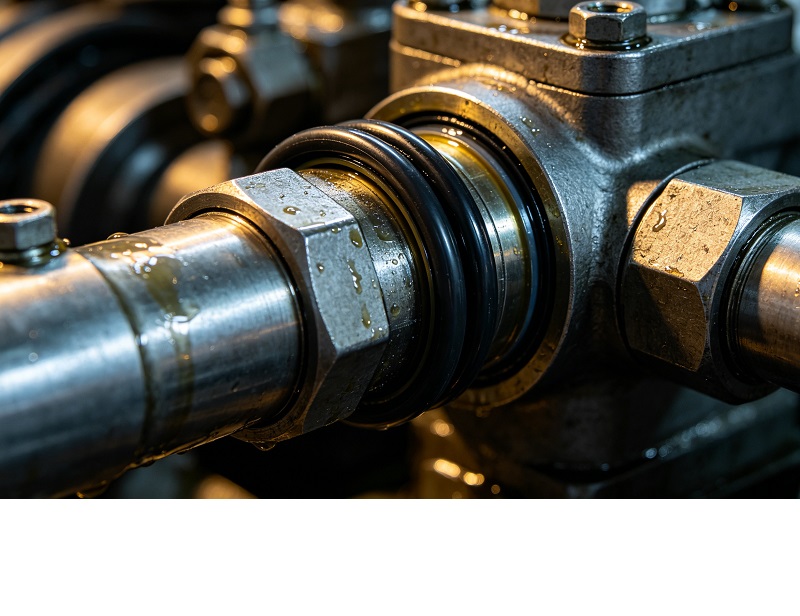
In the demanding world of hydraulic and pneumatic systems, a tiny component often stands as the first line of defense against failure: the wiper seal. Also known as a scraper or dust seal, its job is critical—to scrape away dirt, mud, and moisture from the piston rod before they can enter the cylinder and wreak havoc on internal components. Choosing the wrong type can lead to accelerated wear, fluid contamination, and costly downtime. This comprehensive comparison breaks down the different types of wiper seals, their materials, and their ideal applications, empowering you to select the perfect seal for your equipment's longevity and reliability.
Key Takeaways
-
Wiper seals are categorized by design (single-lip, double-lip, spring-loaded) and material (PU, NBR, FKM, PTFE), each suited for specific challenges.
-
Polyurethane (PU) wiper seals offer superior abrasion resistance and are ideal for heavy-duty applications in construction and mining with harsh, gritty contaminants.
-
Nitrile (NBR) wiper seals provide excellent oil resistance and cost-effectiveness, making them a reliable choice for general industrial and mobile hydraulic systems.
-
The right selection balances contaminant type, operating environment, fluid compatibility, and pressure conditions to ensure optimal system protection.
-
Partnering with an experienced manufacturer like MingYu ensures access to high-quality, customizable solutions backed by rigorous testing and international certifications.
A Functional Breakdown: Types of Wiper Seal Designs
The design of a wiper seal dictates its primary mode of action. Understanding these differences is the first step to a correct selection.
1. Single-Lip Wiper Seals
This is the most basic design, featuring one sealing lip that contacts the rod. It provides effective protection against fine dust and light contaminants. Its simple construction makes it a cost-effective solution for less demanding, clean environments or as a secondary seal in combination with other types.
2. Double-Lip Wiper Seals
A significant upgrade, the double-lip design incorporates two distinct lips. The primary, outer lip is robust and acts as the main scraper, removing heavy debris. The secondary, inner lip provides an additional barrier against finer particles and can sometimes help contain light fluid film on the rod. This design, such as the
MingYu Wiper Seals FC, offers enhanced protection and is widely used in construction, agriculture, and logistics equipment where exposure to mud and abrasive materials is common.
3. Spring-Loaded Wiper Seals
These seals integrate a spring (often a garter spring) behind the sealing lip. The spring applies constant, even pressure against the rod, maintaining effective sealing contact even as the lip wears or under low-pressure conditions. This design is excellent for applications with rod runout (wobble) or where consistent sealing performance over a long lifespan is critical.
4. Metal-Outer-Case Wiper Seals
Designed for high-pressure applications, these seals feature a rigid metal outer casing that provides superior stability and prevents extrusion in the gland. They are often used in heavy industrial machinery and hydraulic presses where system pressures are extreme.
The Material Showdown: PU vs. NBR vs. FKM vs. PTFE
The material defines the seal's physical and chemical capabilities. Here’s a detailed comparison to guide your choice.
| Material | Key Advantages | Key Limitations | Ideal Application Scenarios |
| Polyurethane (PU) | Exceptional abrasion & tear resistance, high load-bearing capacity, good resilience. | Moderate temperature range (typically -30°C to +100°C), can be degraded by certain chemicals and hot water. | Heavy machinery (excavators, bulldozers), mining equipment, and any environment with sand, gravel, or metal chips. |
| Nitrile (NBR) | Excellent resistance to petroleum-based oils, fuels, and greases, cost-effective, good mechanical properties. | Poor resistance to ozone, weathering, and ketones; limited upper temperature range (around +120°C). | General industrial hydraulics, agricultural machinery, forklifts, and applications using standard mineral-based hydraulic fluids. |
| Fluorocarbon (FKM/Viton) | Outstanding high-temperature performance (up to +200°C+) and excellent chemical resistance to oils, fuels, and many aggressive fluids. | Higher cost, less flexible at low temperatures, can be susceptible to swelling in certain esters and ketones. | Automotive engines, aerospace, chemical processing, and high-temperature industrial applications. |
| Polytetrafluoroethylene (PTFE) | Widest chemical resistance, extremely low friction, and excellent high-temperature capability (up to +260°C). | Can be prone to cold flow (creep) under constant load, generally more expensive, less elastic. | Food & beverage processing, semiconductor manufacturing, pharmaceutical, and applications involving aggressive solvents or requiring ultra-clean operation. |
Other Notable Materials:
-
EPDM: Excellent for steam, hot water, and weather resistance, but unsuitable for petroleum-based fluids.
-
Silicone: Broad temperature range and good flexibility, but has lower tear strength and is not recommended for dynamic sealing against abrasive contaminants.
How to Select the Perfect Wiper Seal: A Practical Guide
Follow this decision framework to match the right wiper seal to your application:
-
Identify the Enemy: What are the primary contaminants? Abrasive solids (choose PU), fine dust (a double-lip design), chemical splash (choose FKM or PTFE), or water/weather (consider EPDM)?
-
Define the Environment: What are the temperature extremes? Is there exposure to UV light or ozone? Outdoor equipment needs materials with good weathering properties.
-
Check Fluid Compatibility: Ensure the seal material is fully compatible with the system's hydraulic fluid and any external chemicals it may contact.
-
Consider System Parameters: Account for operating pressure, rod speed, and gland design. High-pressure systems may benefit from metal-cased designs.
For engineers seeking a robust, off-the-shelf solution, the MingYu Wiper Seals FC presents a compelling option. Its double-lip design, available in both high-wear PU and oil-resistant NBR, is engineered for stability under pressure and vibration, making it a versatile choice for construction and agricultural hydraulics.
FAQ: Your Top Wiper Seal Questions, Answered
Q: What's the difference between a dust sealand a rod seal?
A: A rod seal (or gland seal) is the primary seal that contains the system's hydraulic pressure. A wiper seal is mounted on the outer side of the gland; its sole job is to prevent external contaminants from entering the system, thereby protecting the rod seal and internal components.
Q: When should I use a double-lip wiper seal over a single-lip?
A: Use a double-lip wiper seal in environments with mixed or heavy contaminants (e.g., mud, slurry). The outer lip handles large debris, while the inner lip catches finer particles. For clean, indoor environments, a single-lip seal may be sufficient.
Q: Can I get a custom wiper seal for a non-standard bore size or material?
A: Yes, reputable manufacturers like MingYu offer full customization. This includes creating molds based on your drawings, prototyping with specialized materials (like high-temperature FKM or food-grade PTFE), and optimizing the seal structure for your specific operating conditions.
Q: How important are international certifications like IATF 16949 for wiper seals?
A: Extremely important. Certifications like IATF 16949 (for automotive) and ISO 9001 demonstrate a manufacturer's commitment to consistent quality management and production processes. For critical applications, they are a key indicator of reliability and a reduced risk of part failure.
Q: What are the signs that my wiper seal needs replacement?
A: Visible damage to the lip, excessive leakage of grease or fluid past the seal, visible scoring on the piston rod, or the presence of contaminants inside the cylinder are all clear indicators that the wiper seal is no longer functioning effectively and should be replaced.
Selecting the right wiper seal is a strategic investment in your equipment's health. By understanding the trade-offs between different designs and materials, you can move beyond a simple replacement to an upgrade that extends service intervals and improves reliability. Partnering with a certified manufacturer that provides engineering support and customization ensures your machinery gets the precise protection it was designed for.


